

Although my crime history work is mostly rooted in the nineteenth century, I’ve begun edging my way into the twentieth. This gradual move has been partly inspired by my reading of Agatha Christie’s detective novels, in which there are many references to true crime cases spanning a century from the 1850s.
One such case is that of Herbert Rowse Armstrong, who features in at least five of Christie’s stories. In After the Funeral, Mr Entwistle describes him as ‘a pleasant fellow’ who was fascinated by women. But, in By the Pricking of My Thumbs, Dr Murray indicates a darker side to Armstrong when he says that when anyone offended or insulted him, ‘that person was quickly asked to tea and given arsenic sandwiches’. I decided to find out how close this was to the truth…
The history of Herbert Armstrong
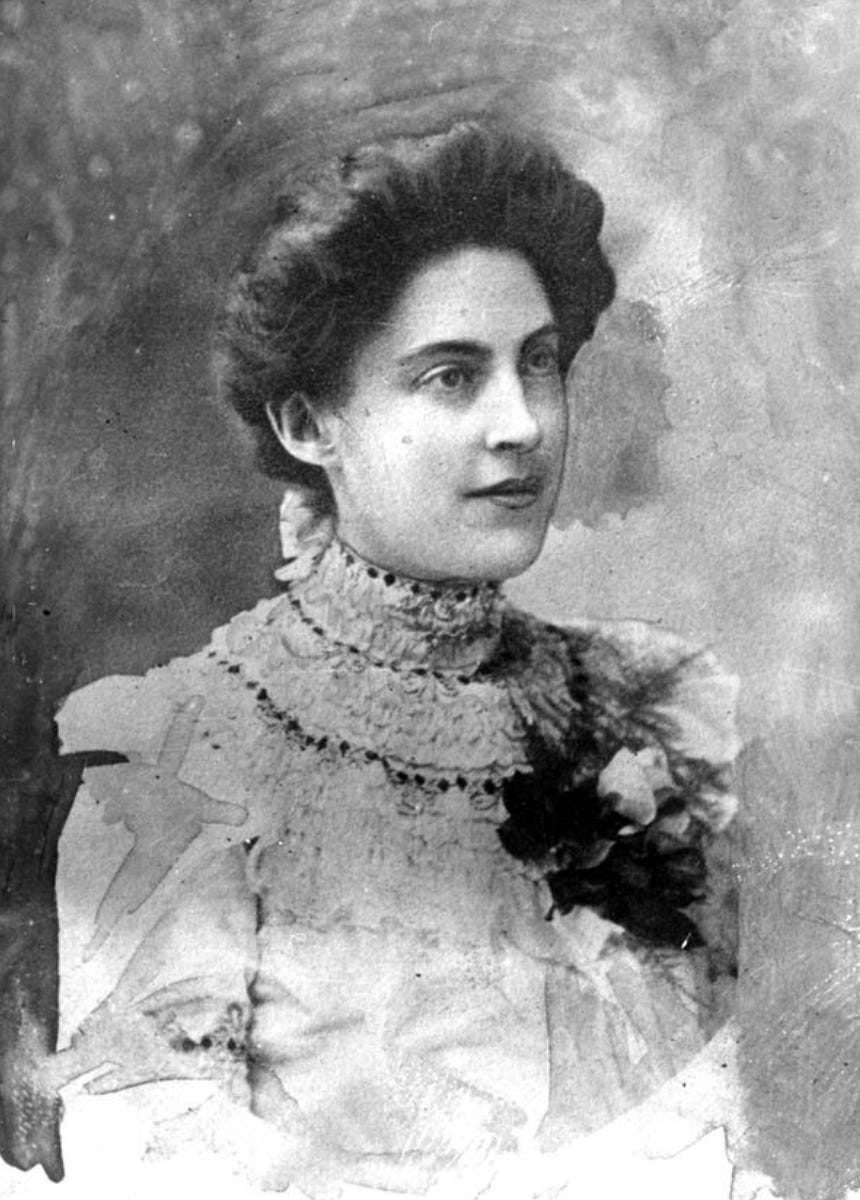
Herbert Rowse Armstrong was born in Plymouth in 1869. His family moved to Liverpool, where he spent his childhood before studying law at Cambridge University – he qualified as a solicitor in 1887. Initially, Armstrong practised in his adopted home city of Liverpool and then relocated to Hay-on-Wye on the Welsh-Herefordshire border in 1906.
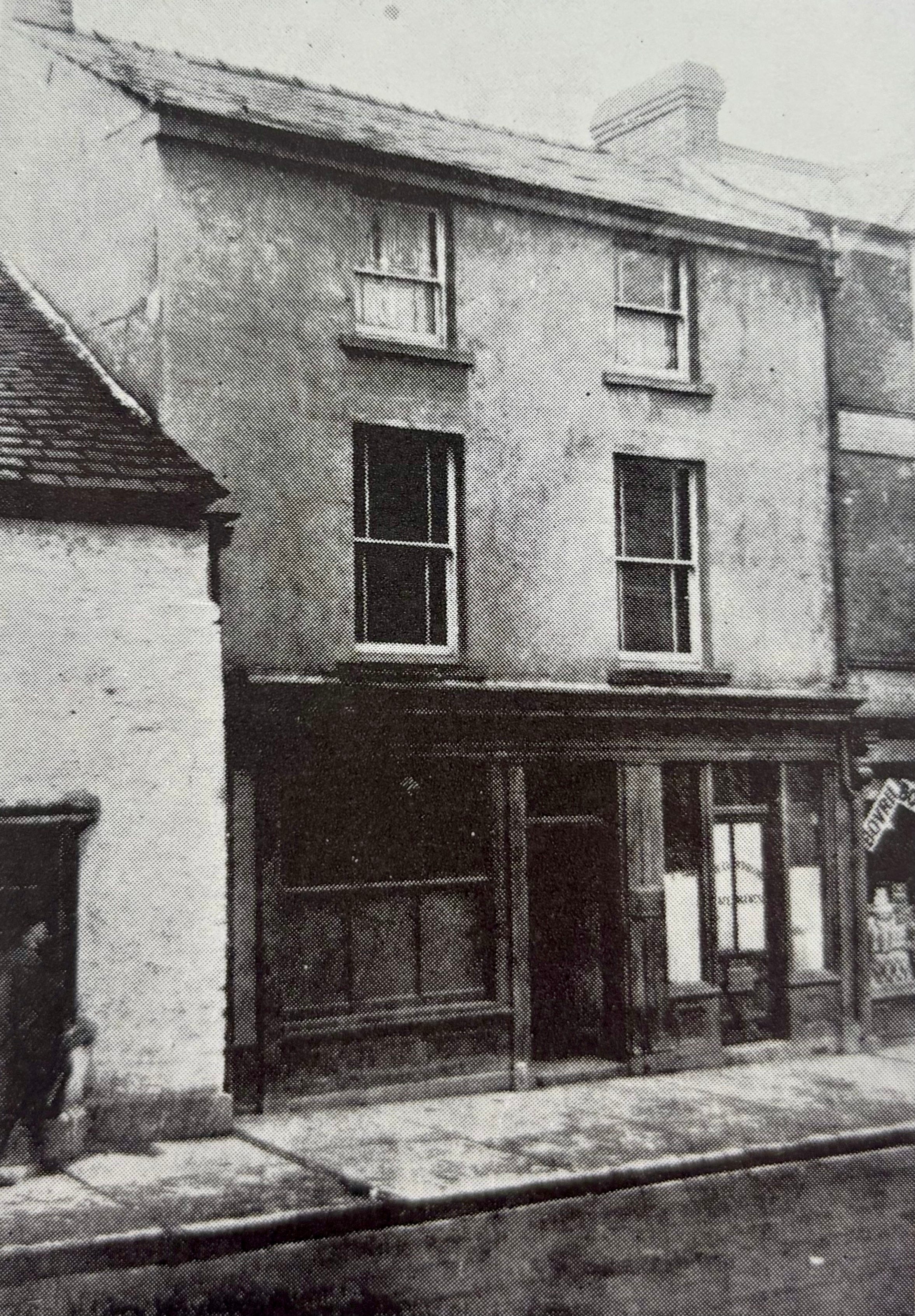
A year later, he married Katherine Mary Friend and they settled in the nearby village of Cusop Dingle, and had three children – two daughters and a son. Armstrong’s practice remained in Hay, where he was considered to be a respectable member of the local community, especially as he was appointed clerk to the justices and he later served in the First World War, gaining the rank of major. However, after the war, the Armstrong family’s fortunes began to change.
A sad decline
In the spring of 1919, Katherine’s health began to deteriorate – the local doctor diagnosed her as having brachial neuritis (inflammation of the upper body nerves). She seemed to improve for a while but, a year later, her physical and mental health started to decline again, and she was admitted to a private asylum where she remained throughout 1920. After her discharge in January 1921, Katherine fell ill again, and died the following month. Her death was attributed to gastritis, aggravated by heart disease and nephritis.
Soon after his wife’s death, Herbert Armstrong became embroiled in a property transaction with a business rival, Oswald Martin (the only other solicitor in the town), which resulted in Armstrong owing Martin £500. In October 1921, Armstrong invited Martin to his home for tea with cakes and buttered scones (not sandwiches as suggested by Christie’s character!)
A suspicious meal
Later that day, Oswald Martin fell violently ill. He sought help from the local chemist, John Davies, who happened to be his father-in-law. As Armstrong had bought several packets of arsenic from him that autumn, supposedly for killing dandelions, Davies became suspicious. He discussed the matter with Dr Thomas Hincks, who shared how Martin’s symptoms were very similar to those suffered by Katherine’s symptoms.

When the men also discovered that, a few weeks before the tea at Armstrong’s house, the Martins had anonymously received a box of chocolates which had made a family member ill, they decided to investigate. As there were a few chocolates left, they examined them and found that they had tiny holes in the base, indicating that they’d been tampered with. Dr Hincks contacted the Home Office.
A thorough investigation
When the remaining chocolates and a sample of Oswald Martin’s urine were tested, it was revealed that they both contained arsenic. The matter was referred to Scotland Yard, where Superintendent Frederick Wensley took charge of the case. He sent one of his officers to Hay to investigate, who soon discovered that Armstrong had continued pestering Oswald Martin to take tea with him again, which he thought was very suspicious indeed. When Martin received an invitation on New Year’s Eve to join him in a celebration, Armstrong found the police on his doorstep instead. They arrested him for attempted murder.
The officers searched Armstrong’s home and found some arsenic. They also caught the solicitor trying to remove a small package of the poison from his desk. But, they still didn’t have any direct evidence of his having tried to poison Oswald Martin.
In a genius stroke of detection, Superintendent Wensley requested to have Katherine Armstrong’s body exhumed and he asked Bernard Spilsbury to travel to Hay to examine her remains. In January 1922, amid a winter blizzard, Katherine’s coffin was lifted from the grave and opened in the dim light of oil lamps. Spilsbury took samples and she was reinterred in the snowy ground.
When Bernard Spilsbury found that the samples also contained arsenic, Herbert Armstrong was further charged with his late wife’s murder.
Armstrong on trial
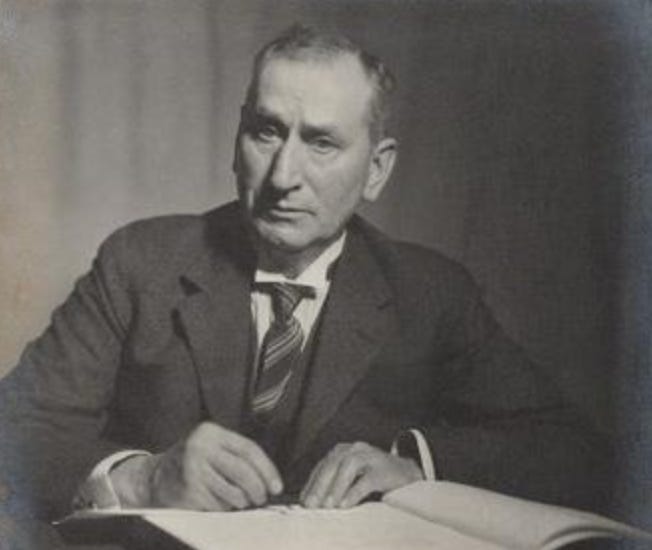
Herbert Rowse Armstrong was tried for the murder of Katherine Armstrong at Hereford Assizes in April 1922. Bernard Spilsbury described the exhumation and the second post-mortem that he had conducted on her remains, after which he had extracted 16 jars of tissue, sawdust and wood shavings from the coffin, and samples of the soil around it. The body, which was unusually well preserved after ten months underground, showed no signs of natural disease. Spilsbury found the arsenic in the victim’s intestine, which had led him to conclude that Katherine had ingested large doses of the poison over several days before her death.
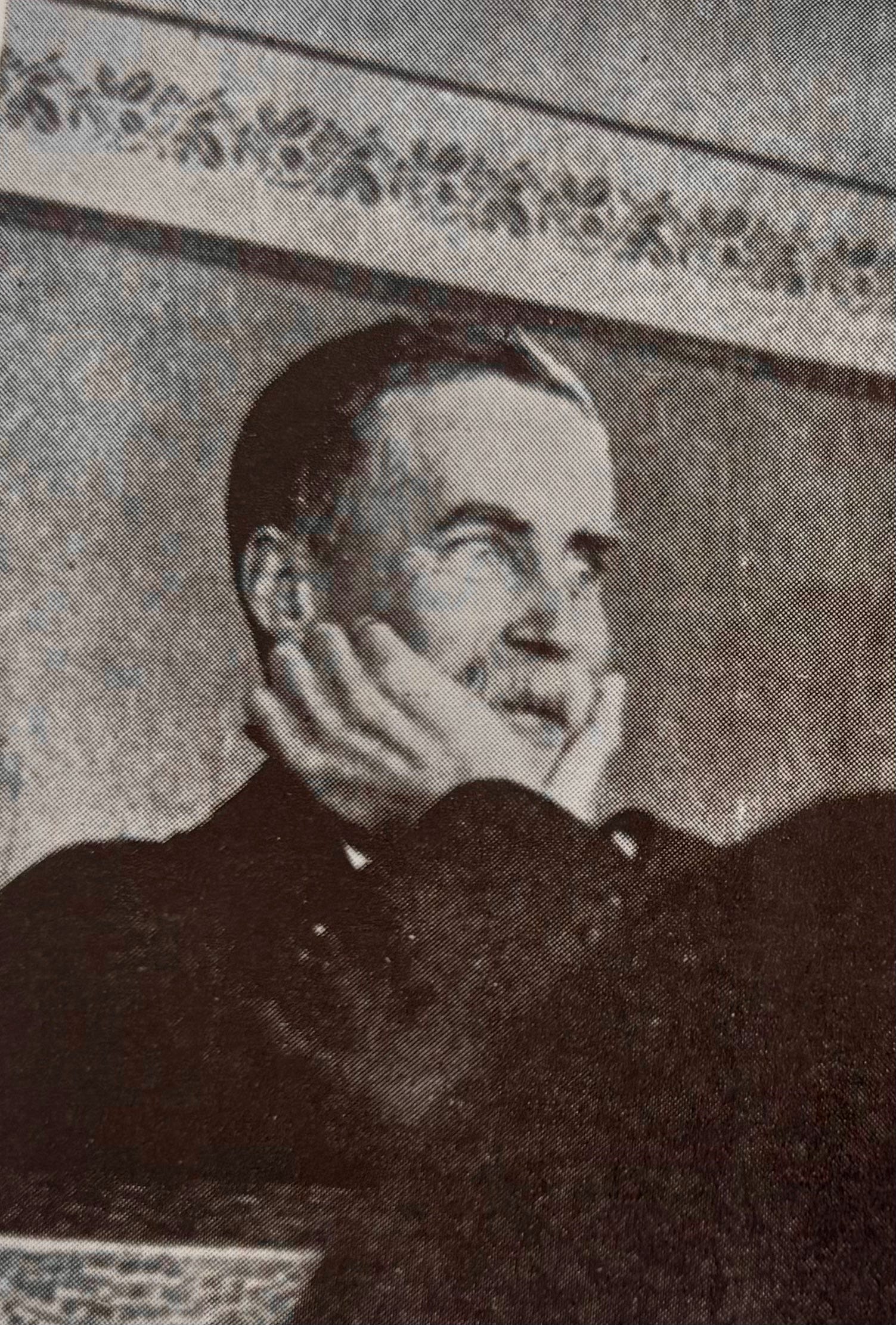
Spilsbury also told the court about Oswald Martin’s arsenical poisoning after visiting Armstrong for tea, which provided the final evidence needed to convict Armstrong of murder. He was executed the following month at Gloucester Prison – he never confessed to the crime and maintained his innocence to the end.
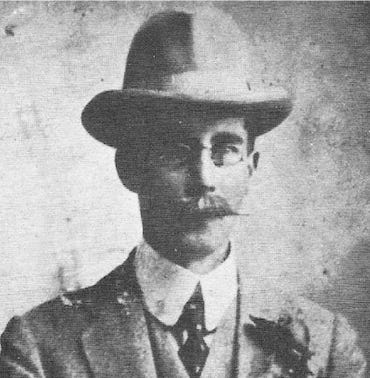
The motive for Armstrong’s murderous act remains unclear. There is evidence that, before her death, his wife had changed her will in his favour – she had previously bequeathed all her possessions to their children – but Herbert was not particularly financially stretched. As hinted at by Agatha Christie, there are some suggestions that Armstrong was a philanderer, and that he had already been seeing another woman before his wife died. But, even though he looks dapper in photographs with a flamboyant moustache and a flower in his buttonhole, there is no real evidence of multiple relationships.
Sometimes it is simply not possible to know what motivates an individual to kill and, as Giles Reed says in Sleeping Murder, ‘Armstrong who everybody said for years was such a kind unassuming fellow. I don’t believe murderers are ever a special type.’
Dropping poison into a rival’s scone sending tampered chocolates, and then nagging the guy to come back over for tea again isn't some mastermind plot, it's just pure cockiness. He assumed nobody would ever call out a "respectable" gentleman. Great Read.
It's always a little disturbing when the murderer is a kind, calm fellow. You never really know about people. I'll be paying more attention in my future re-reads of Agatha Christie's work. Hehe. Thank you for sharing, Angela.